
Development of Modern Lime Kiln Technology: From Mechanization to Intelligence
The development of modern lime kiln technology is an evolutionary history from replacing human labor with machinery, improving efficiency with automation, and pursuing excellence with intelligence, which deeply reflects the context of industrial progress.
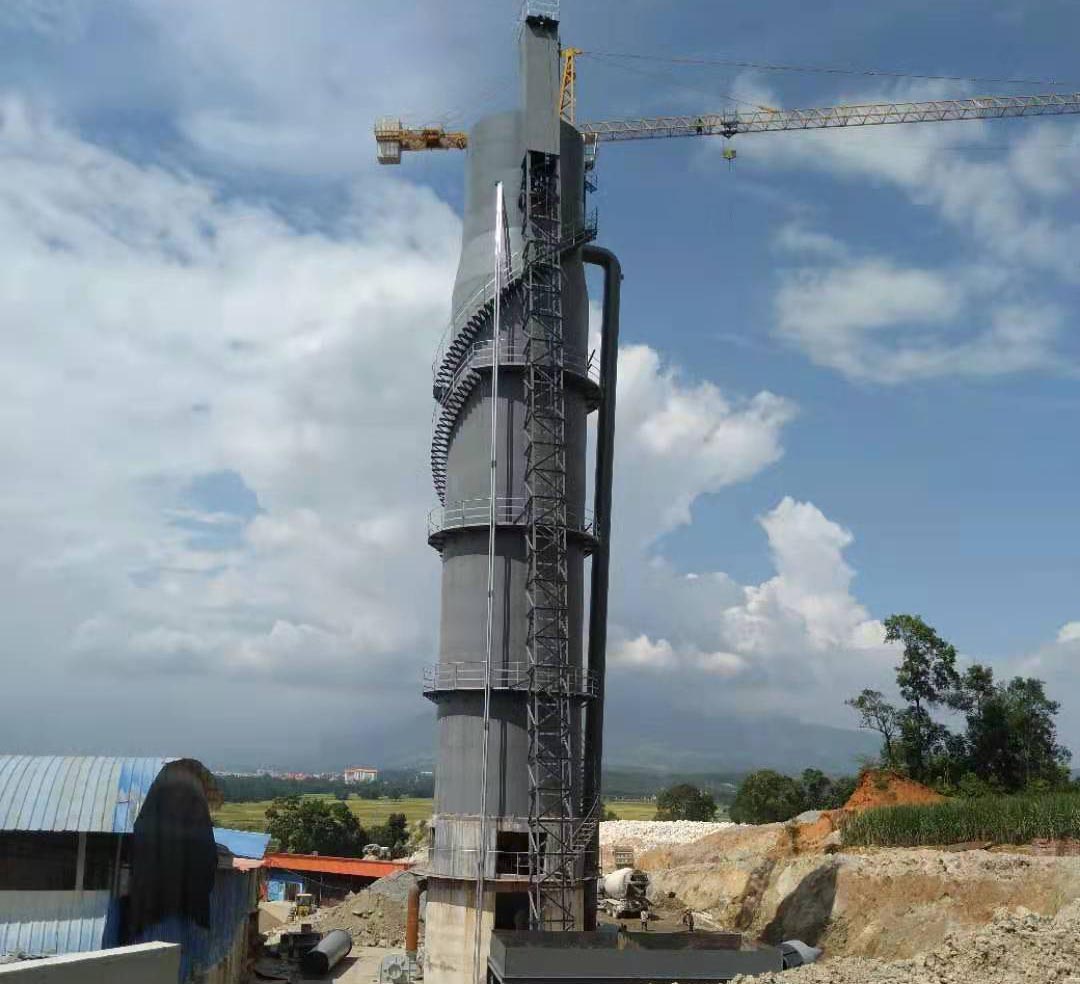
Phase 1: Mechanization - laying the foundation
Early lime production mainly relied on manpower and experience, with high labor intensity and unstable working conditions. The introduction of mechanization was the first leap forward. By using mechanical feeders, rotary kiln bodies, hydraulic ash discharge devices, etc., continuous feeding and discharging have been achieved, significantly reducing labor costs, improving single kiln output and operational stability, laying the foundation for large-scale production. However, the control at this stage still relies on manual judgment and operation.
Phase 2: Automation and Energy Conservation - Enhancing Efficiency
With the popularization of technologies such as sensors and programmable logic controllers (PLCs), lime kilns have entered the era of automation. The system can automatically adjust the air coal ratio and monitor the kiln temperature and pressure, making the thermal system more stable and significantly improving product quality. At the same time, energy-saving and environmental protection technologies such as waste heat recovery and flue gas purification have become standard configurations, significantly reducing environmental load while improving energy efficiency. The role of operators has shifted from "hands-on" to "screen monitoring".
Phase Three: Intelligentization - Foresight and Optimization
Currently, lime kiln technology is moving towards a new stage of intelligence. By implanting a large number of sensing elements, a "digital twin" model is constructed to map the real-time status inside the kiln. The core change lies in the use of big data and AI algorithms: the system can not only automatically control, but also analyze historical and real-time data, predict operating trends, diagnose potential faults, and autonomously optimize combustion models and production matching, achieving adaptive regulation and preventive maintenance, ultimately achieving maximum efficiency and most stable production.
From mechanization to intelligence, lime kiln technology has made a leap from "physical substitution" to "mental enhancement". This process not only continues to drive the lime industry towards efficient, clean, and high-quality development, but also opens up infinite possibilities for it to play a more critical role in the future industrial ecology.