

Why the paper industry cannot do without lime
Lime plays a central role in the chemical cooking process of pulp making due to its strong alkalinity. It is mainly used for causticization reactions to convert sodium carbonate into sodium hydroxide, thereby providing an efficient and economical source of cooking alkali. This process is crucial for separating plant fibers, especially when dealing with non wood materials such as wheat straw and bamboo, which contain a large amount of silica and impurities. The addition of lime can effectively promote the degradation and dissolution of lignin, allowing the fibers to dissociate smoothly. The advantage of its low cost is that other chemical alkali agents are difficult to replace.
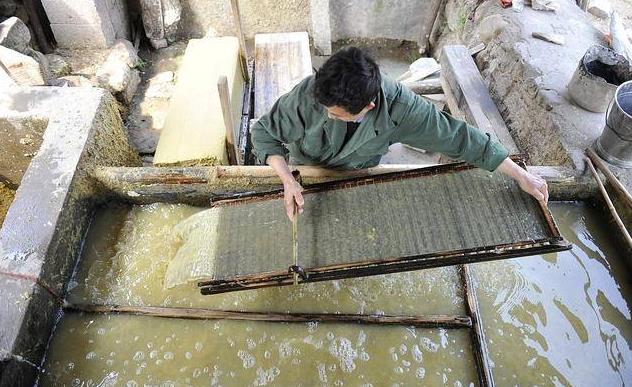
The pulp after steaming needs to undergo deep bleaching to achieve the required whiteness. Lime is used at this stage to adjust the pH value of the slurry and create a stable alkaline environment. This not only protects the fiber strength and avoids damage to the cellulose chain under acidic conditions, but also effectively suppresses the generation of acidic by-products during bleaching, improves the utilization rate of bleaching agents, and reduces chemical consumption.
The treatment of papermaking wastewater and sludge also relies on lime. It uses strong coagulation to destabilize and aggregate small fibers and colloidal substances in water, forming flocs that are easy to settle, significantly reducing wastewater turbidity and chemical oxygen demand. During the treatment process, the high alkalinity of lime can effectively kill various microorganisms and ensure the hygiene and safety of water reuse. For solid waste generated during production, such as deinked sludge, adding lime can stabilize and disinfect it, creating conditions for subsequent safe disposal or resource utilization.
The multifunctionality of lime runs through multiple key processes from pulp making, bleaching to the treatment of three wastes. Its unique chemical properties and economic benefits together form the cornerstone of the paper industry's inability to abandon this traditional material.


