
Analysis of the influence of different purity lime on its application effect
The chemical composition and impurity content of lime directly determine its reactivity, cementitious properties, and the stability of the final product. The calcium oxide obtained by calcining calcium carbonate in industry is called quicklime, and its purity difference mainly comes from the types and proportions of oxide impurities such as silicon, magnesium, aluminum, and iron in the raw limestone. These impurities are not inert components and can participate in high-temperature reactions, forming low activity or retarding phases such as calcium silicate, calcium aluminate, or calcium ferroaluminate, significantly affecting the hydration kinetics and hardened structure of lime.
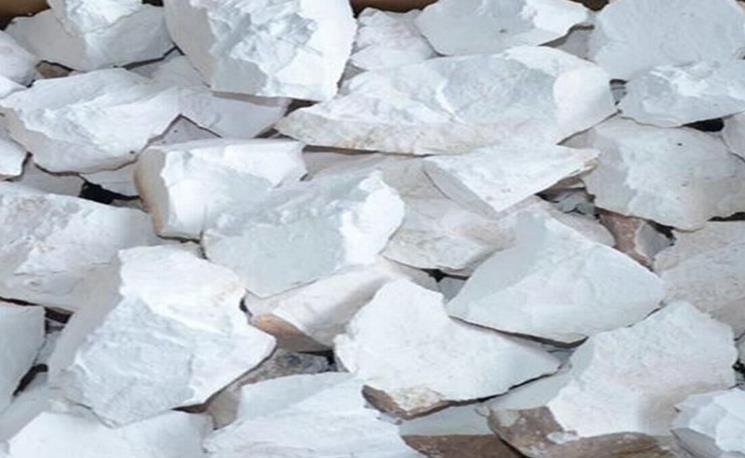
High purity lime (with a calcium oxide content of over 90%) exhibits rapid and intense exothermic reactions during hydration, producing calcium hydroxide colloids with fine particle size and large specific surface area. This high activity characteristic enables it to quickly form slag and effectively remove phosphorus and sulfur impurities in steel smelting; In the field of chemical synthesis, high purity is the key to ensuring reaction efficiency and product purity. Its hardened structure is denser, exhibiting excellent strength and water resistance.
On the contrary, low purity lime is prone to overburning during the calcination process due to its high content of acidic oxide impurities. Impurities wrap around the surface of calcium oxide particles, forming a sintered layer that hinders the diffusion of water molecules into the interior of the particles, resulting in a slow and incomplete hydration rate. This insufficient hydration directly leads to slow early strength development of mortar or masonry materials, and ultimately results in lower strength values. More seriously, incompletely digested magnesium oxide or hard fired lime particles may continue to hydrate in the later stage of hardening, causing volume expansion and leading to engineering defects such as product cracking or pulverization.
In environmental applications such as flue gas desulfurization, the purity of lime directly affects its ability to handle acidic gases. Impurities do not participate in the desulfurization reaction and are equivalent to ineffective components, which will increase the lime consumption per unit processing cost. Therefore, accurately evaluating the purity of lime and selecting the corresponding grade of materials based on specific application scenarios is the core technical link for optimizing the process flow, ensuring engineering quality, and controlling comprehensive costs.