

What are the safety hazards in lime production
Lime production involves multiple stages such as raw material crushing, high-temperature calcination, and finished product processing, which pose numerous safety hazards that require high attention and prevention.
During the raw material crushing stage, equipment such as crushers and conveyor belts operate at high speeds. If protective devices are missing or damaged, and personnel operate improperly, mechanical injury accidents such as limb entanglement and material splashing can occur. Meanwhile, if the dust generated during the crushing process is not effectively collected and treated, long-term inhalation can damage the respiratory system of workers and cause occupational diseases such as pneumoconiosis.
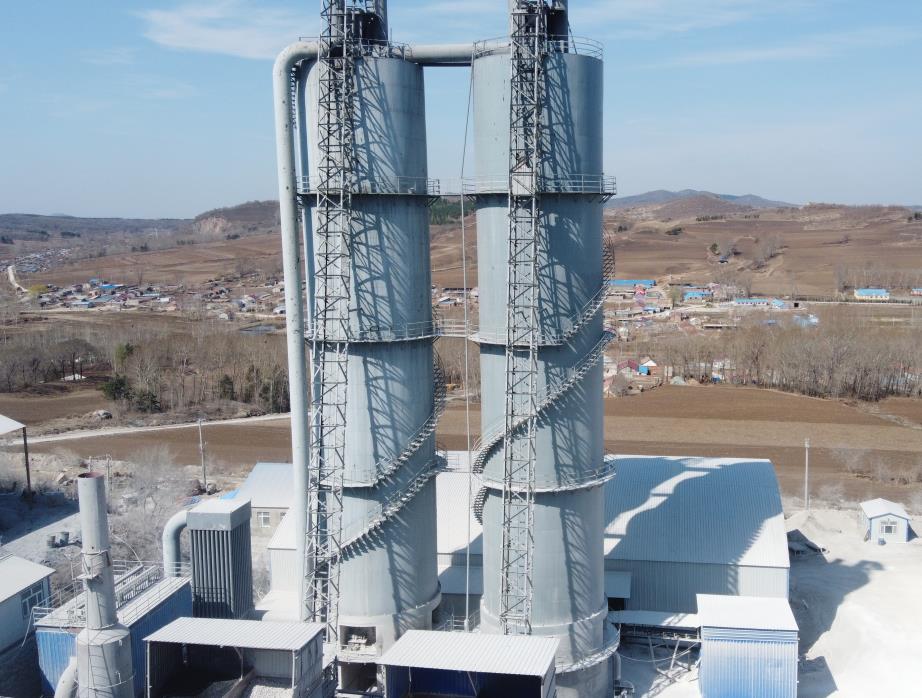
High temperature calcination is the core process of lime production. The temperature inside the lime kiln can reach thousands of degrees Celsius, and the surface temperature of the kiln body is also high. If personnel approach or come into contact with it, it is easy to cause burns. In addition, if the fuel used for calcination (such as coal and natural gas) leaks and encounters open flames or high temperatures, it may cause fire and explosion accidents, with unimaginable consequences.
In the process of finished product processing, the temperature of lime after it leaves the kiln is relatively high. Improper handling during transportation and loading and unloading may result in burns. Moreover, lime has strong alkalinity and reacts with water to release a large amount of heat. If it comes into contact with the skin or is ingested by mistake, it can cause serious chemical burns.
To eliminate these hidden dangers, enterprises should strengthen equipment maintenance and ensure that protective devices are in good condition; Install effective dust removal equipment to reduce dust hazards; Strictly manage fuel to prevent leaks; Strengthen employee safety training, standardize operating procedures, and safeguard the safety of lime production.


