

What is the calcination temperature of a lime shaft kiln?
The calcination temperature of a lime shaft kiln is typically between 900 and 1200 degrees Celsius, depending on the raw material characteristics, product application, and kiln operating conditions. This temperature range is the core parameter for achieving efficient decomposition of limestone.
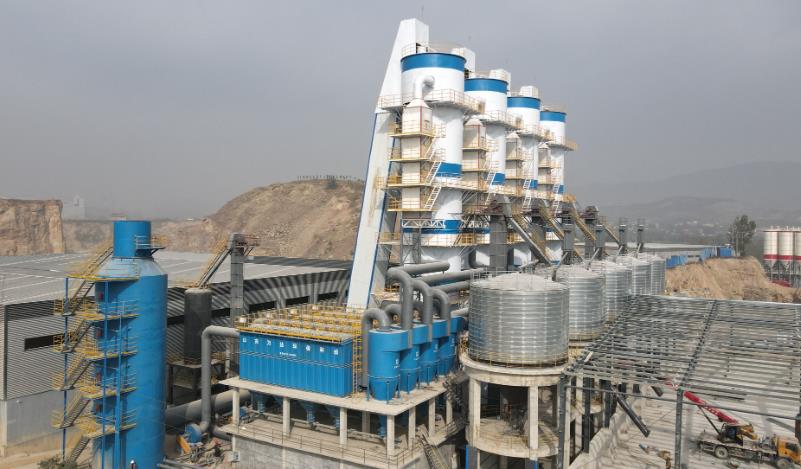
The main component of limestone is calcium carbonate, which begins to decompose into calcium oxide and carbon dioxide at approximately 900°C. However, in actual shaft kiln production, to ensure sufficient reaction and moderate reaction rate, the material temperature inside the kiln needs to be stably maintained above 1000°C. Too low a calcination temperature may cause "under-burning" of the limestone, where the interior does not fully decompose, resulting in quicklime with poor reactivity. Too high a temperature may lead to "over-burning," making the calcium oxide crystals dense, reducing reactivity, and even damaging the kiln lining.
The ideal calcination temperature for high-quality reactive lime is typically 1150 to 1250°C. Within this range, limestone decomposes rapidly, producing lime with high porosity and good reactivity, suitable for demanding industries such as steelmaking and calcium carbide production. For ordinary construction lime, the calcination temperature can be slightly lower, around 1000 to 1100°C, which saves energy.
The temperature distribution inside a shaft kiln is not uniform: the preheating zone is approximately 200 to 800°C, the core temperature in the calcining zone can reach up to 1300°C, while the cooling zone drops below 100°C. In operation, the position and width of the high-temperature zone are controlled by adjusting the fuel ratio, air supply volume, and discharge rate. For example, in a mixed-feed kiln using coke or anthracite, the fire layer temperature is generally controlled around 1200°C; in a gas-fired shaft kiln, the temperature is slightly lower due to differences in thermal efficiency.
Precise control of the calcination temperature is the key to lime shaft kiln production. A temperature fluctuation exceeding 50°C from the optimal range can significantly affect product quality and energy consumption. Therefore, modern shaft kilns are often equipped with infrared thermometry or thermocouple monitoring systems to assist in manual judgment of the firing condition, ensuring that the lime reactivity meets the required standards and that the kiln operates stably.


