
Environmental protection renovation of lime kiln solves the technical problems of poor sealing at the kiln roof and excessive heat loss
The sealing defects and heat loss at the top of the lime kiln are long-term pain points for energy consumption and environmental protection. Traditional kiln roofs suffer from high temperature deformation and aging of sealing components, resulting in air leakage rates generally exceeding 15%. Heat is directly discharged with the flue gas, which not only increases coal consumption but also causes unorganized dust dispersion. What's even more tricky is that the kiln body continues to expand and contract during operation, and static sealing methods are almost unable to cure dynamic leaks.
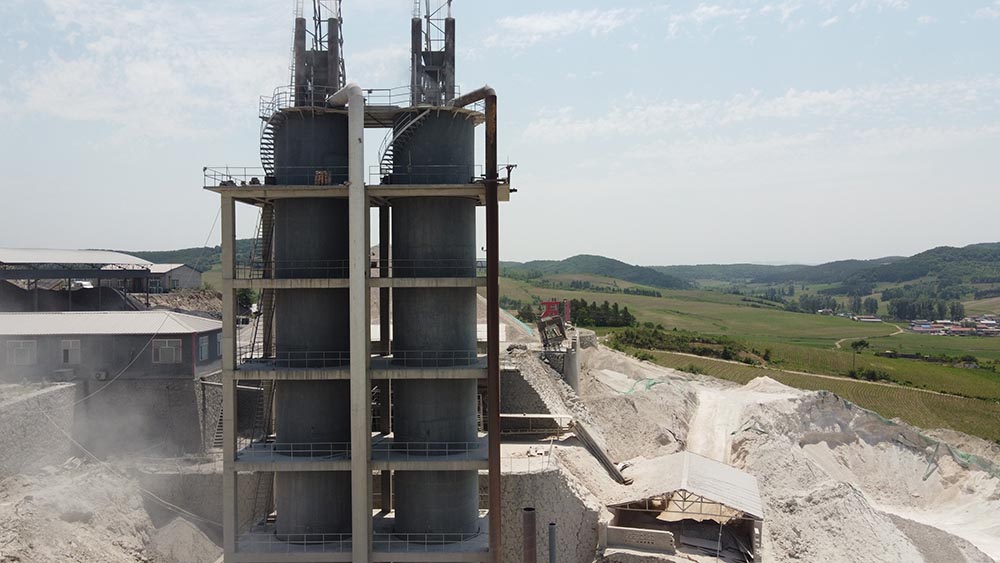
A targeted solution has been provided for the new generation of integrated flexible sealing systems. Its core is a multi-level structure that combines softness and rigidity: the inner layer is woven with high-temperature resistant ceramic fiber rope, which conforms to the irregular deformation of the kiln shell; Add a nitrogen micro positive pressure air curtain in the middle to actively block the suction of cold air and the leakage of hot air; The outer layer is coordinated with laser centering monitoring to adjust the clamping force in real time. This combination punch reduces the air leakage rate to within 3% and reduces heat loss by about 40%.
A waste heat exchanger was retrofitted and connected in parallel, utilizing the exhaust gas from the kiln roof to preheat the combustion air and introducing some high-temperature flue gas into the kiln bottom to avoid thermal shock damage to the lining caused by cold air. The outer wall temperature has decreased from 210 ℃ to below 95 ℃, and the working environment has significantly improved without increasing the energy consumption of the fan.
Expected results after the renovation: the annual coal savings of a single kiln exceed 300 tons, dust emissions are reduced to below 8mg/m ³, the raw combustion rate is reduced from nearly 10% to around 5%, and the lime activity is significantly improved. The investment payback period is only over a year, and the economic accounts are clear and calculable.
Long term operation requires precise maintenance, such as regular calibration of monitoring devices and cleaning of heat exchanger dust deposits. In the future, an automatic adjustment system can be introduced to adaptively adjust the sealing strength according to temperature changes.


