
Comparison of heat consumption of environmentally friendly lime kilns shows significant differences among different kiln types
The thermal efficiency gap among lime kiln types is striking. In 2026, China's lime industry faces tightening emission standards, making energy consumption the decisive factor for survival. Three mainstream kiln types, mixed-fuel vertical kiln, double-chamber kiln, and rotary kiln, show dramatically different performance levels.
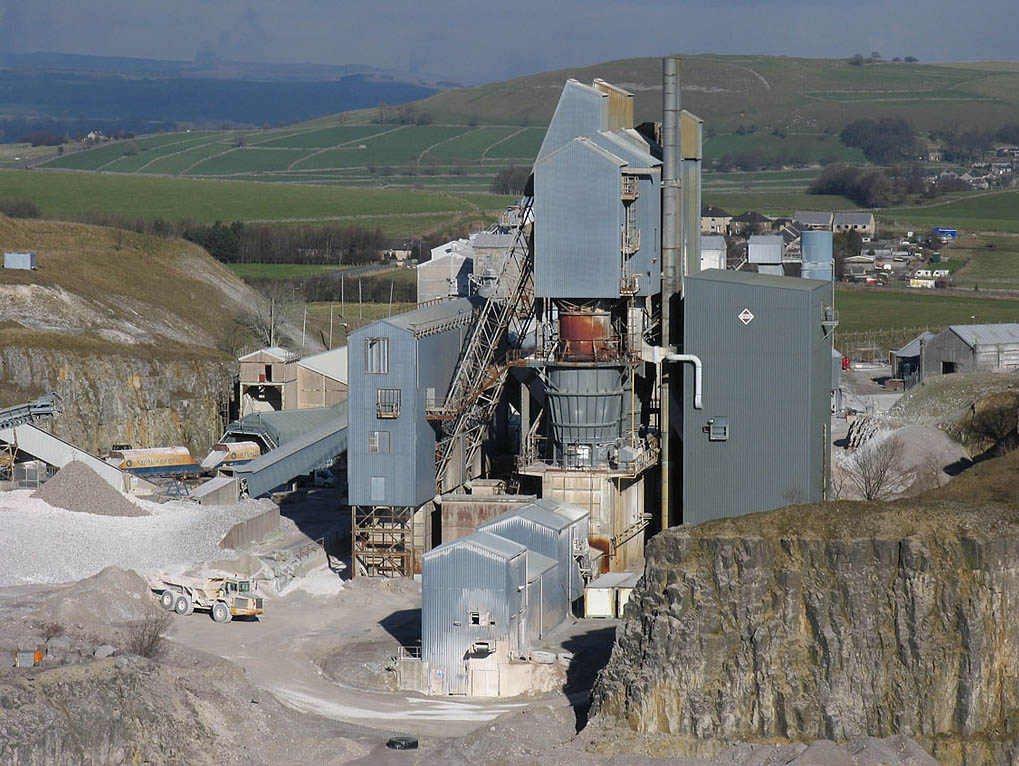
The double-chamber kiln leads in energy efficiency. With its counter-flow regenerative design, it achieves thermal efficiency of 80 to 90 percent. Fuel consumption sits at merely 100 to 120 kgce per ton of lime, with heat consumption around 800 to 880 kcal per kg. Active lime output reaches 380 to 420 mL, and the overburn rate stays below 3 percent.
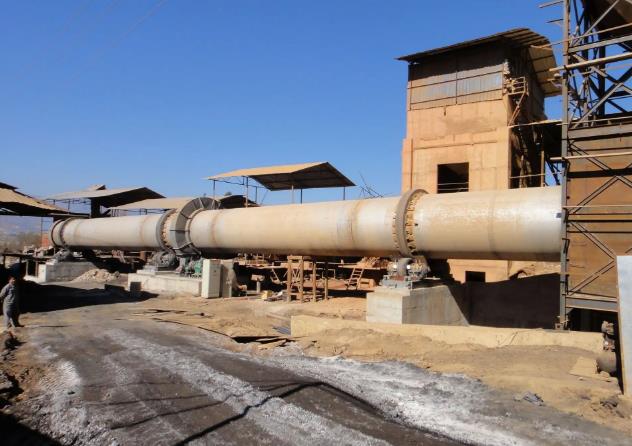
The rotary kiln delivers the highest product quality. Active lime reaches 380 to 420 mL, and overburn rate drops to 0.8 to 1.5 percent, outperforming even the double-chamber kiln. However, its thermal efficiency is 70 to 80 percent, with heat consumption at 1100 to 1200 kcal per kg, roughly 30 to 40 percent higher than the double-chamber kiln.
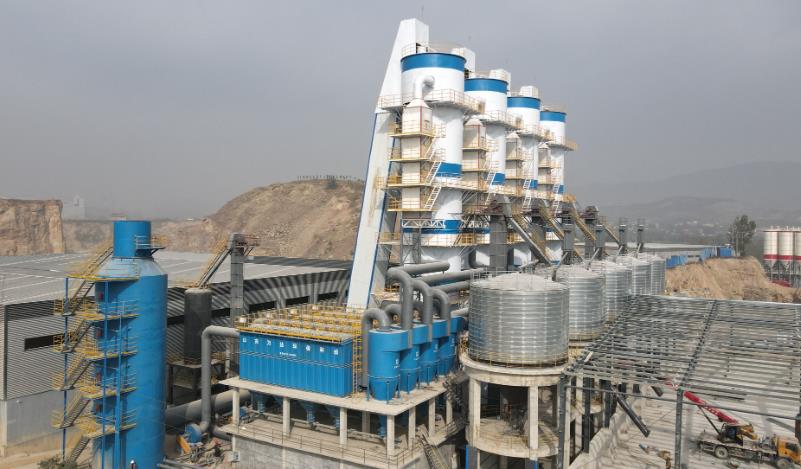
The mixed-fuel vertical kiln lags far behind. Thermal efficiency is only 50 to 60 percent, consuming 140 to 180 kgce per ton of lime, with heat consumption between 1000 and 1500 kcal per kg. Product quality is unstable, with active lime at just 250 to 300 mL and overburn rate between 8 and 15 percent.
| Kiln Type | Heat Consumption kcal per kg | Coal Consumption kgce per ton | Active Degree mL | Overburn Rate |
|---|---|---|---|---|
| Mixed Vertical Kiln | 900 to 1050 | 120 to 130 | 280 to 350 | 8 to 15 percent |
| Double Chamber Kiln | 850 to 900 | 110 to 125 | 380 to 420 | 5 percent or less |
| Rotary Kiln | 1200 to 1350 | 150 to 170 | 380 to 420 | 5 percent or less |
The data makes the choice clear. For pure energy savings, the double-chamber kiln is unbeatable. For premium product quality, the rotary kiln takes the crown despite higher fuel costs. The mixed vertical kiln belongs to the past.