

What are the reasons for the formation of nodules in lime kilns
During the production process of lime kilns, nodule formation often occurs, seriously affecting production efficiency and product quality. The main causes of this phenomenon are as follows.
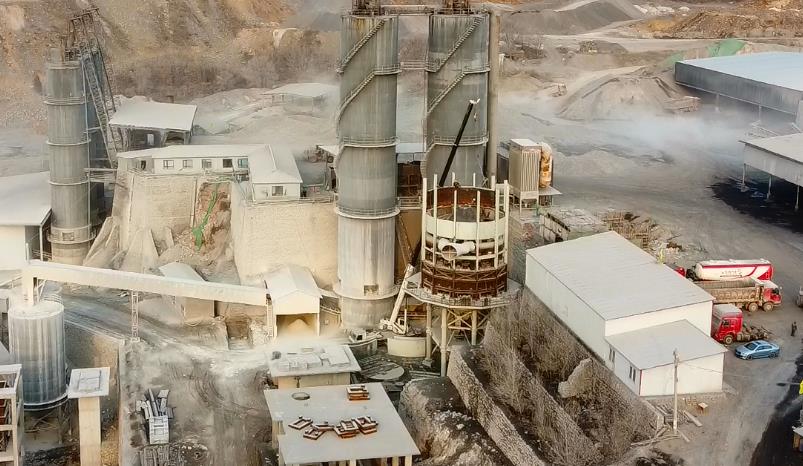
Raw material factors are crucial. If limestone contains a high proportion of impurities such as clay and silica, these impurities will react with calcium oxide during high-temperature calcination, forming low-melting compounds that adhere to the kiln walls and lining, gradually forming nodules. Furthermore, uneven particle size of limestone, incomplete calcination of large limestone blocks, and over-calcination of small pieces can all disrupt the normal calcination environment inside the kiln, promoting the formation of nodules.
The operational process cannot be overlooked. An unreasonable fuel ratio, either too much or too little fuel input, can cause significant temperature fluctuations within the kiln, leading to localized overheating or overcooling. This can result in uneven sintering of materials and increase the risk of nodule formation. Improper air volume control also has a significant impact. If the air volume is too high, the flame will be elongated, potentially causing localized overheating of the kiln wall; if the air volume is too low, the fuel will not burn fully, producing reducing gases such as carbon monoxide. These gases react with the materials to form molten substances, leading to nodule formation.
In addition, equipment conditions also have an impact. If the kiln body is not sealed tightly, external air will enter the kiln, altering the atmosphere inside and affecting the calcination process. Damage to the kiln lining can cause the kiln wall to come into direct contact with high-temperature materials, accelerating the formation of scale.
To reduce the buildup of deposits in the lime kiln, it is necessary to start from multiple aspects such as raw material control, operation optimization, and equipment maintenance to ensure the stable and efficient operation of the lime kiln.


