

Overview and Trends of the Global Lime Industry Market (2026 Perspective)
As of mid-2026, the global lime industry is in a critical stage of structural adjustment and green transformation. Driven by downstream metallurgical, environmental protection, and infrastructure demands, the market size has maintained steady growth, but the focus of competition has shifted from simple capacity expansion to high-quality, low-energy consumption, and customized services.
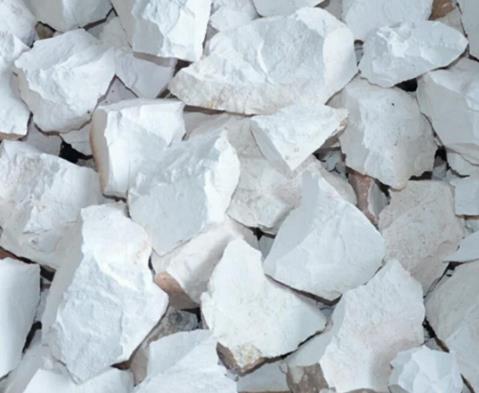
1. Market size and growth forecast
Overall scale: According to data from multiple institutions, the global lime market is expected to reach approximately 51.16 billion US dollars in 2024. According to statistics, the global lime market sales will reach approximately RMB 193.8 billion by 2025, and are expected to increase to RMB 216.28 billion by 2032, with a compound annual growth rate (CAGR) of approximately 1.6% -2.6%.
Regional distribution: The Asia Pacific region holds the largest market share in the world, mainly due to the rapid industrialization and urbanization of countries such as China and India. China is the world's largest producer of lime, accounting for approximately 65% -72% of the total global production. Europe and North America follow closely behind, with Europe accounting for about 6% of global production and having a high demand for high-purity and environmentally friendly lime products.
2. Core driving factors and application areas
Metallurgical industry (dominant demand): Metallurgical lime accounts for nearly 42% of global downstream consumption, mainly used as a flux and desulfurization in steel smelting. Despite the slowdown in global steel production capacity growth, the demand for high activity lime continues to rise due to ultra-low emission upgrades.
Environmental Protection and Water Treatment: With the tightening of global environmental regulations, the application of lime in wastewater treatment (pH adjustment, flocculation) and flue gas desulfurization (FGD) has significantly increased. Especially high specific surface area calcium hydroxide, due to its efficient desulfurization performance, has become a new favorite in steel sintering and coal-fired power plants.
Architecture and Infrastructure: Lime and hydrated lime are widely used in cement manufacturing, soil stabilization, and road construction. Infrastructure investment in the Asia Pacific region is the main driving force.
Emerging applications: Carbon Capture, Utilization, and Storage (CCUS) technology is becoming a new growth point in demand for highly active lime. In addition, the natural mineral applications of Lithohamnion Calcareum in the fields of health products, cosmetics, and agriculture are also rapidly growing in the North American and European markets.
3. Industry competition pattern and major enterprises
The global lime industry presents a situation of high dispersion and concentration at the top:
International giants such as Graymont (a global leader with a market share of approximately 1.1%), Lhoist, USLM, Carmeuse, and other multinational corporations have an advantage in the high-end market and global supply chain.
Chinese enterprises: Large state-owned and private enterprises represented by Hebei Iron and Steel Group Tangshan Iron and Steel Company, Hebei Longfengshan Furnace Materials, and Huangshi Chenjiashan Calcium Industry dominate the domestic and some export markets with their scale advantages and resource endowments.
Market concentration: Although top companies have strong brand influence, a large number of small and medium-sized suppliers occupy important positions in segmented markets with regional flexibility and customized services (such as professional service providers in Sichuan, Shandong, and other places).
4. Industry hotspots and challenges in 2026
High pressure environmental policies: Under the "dual carbon" target, outdated production capacity (such as earth kilns and ordinary mechanized vertical kilns) is being accelerated for elimination. By 2024, China has eliminated over 10 million tons of outdated production capacity and upgraded the industry towards energy conservation, low-carbon, and intelligence.
Price fluctuations and costs: The price of raw limestone fluctuates periodically due to supply and demand, while energy (coal, electricity) costs remain a key variable. In the first half of 2026, the ex factory price of ordinary quicklime powder is about 350-550 yuan/ton, and the price of high specific surface calcium hydroxide desulfurizer can reach 750-950 yuan/ton.
Trade barriers and uncertainty: The US tariff system and geopolitical tensions have caused certain disruptions to the global supply chain of lime and limestone algae, prompting companies to seek diversified supply channels.
Product quality upgrade: The market has increased its requirements for the purity, fineness, and activity of lime. For example, the average price of high activity lime for metallurgy has increased year-on-year, while the price of ordinary building materials lime is under pressure.
5. Procurement and investment advice
Pay attention to high value-added products: prioritize the layout of high profit sub sectors such as high activity calcium oxide, nano calcium carbonate, and special calcium hydroxide.
Supply chain resilience: Establish a multi-source supply system and focus on suppliers with full process quality control, environmental compliance, and rapid response capabilities.
Technological innovation: Invest in calcination process optimization, waste heat recovery, and carbon capture supporting technologies to meet increasingly stringent environmental standards.
Note: The above data is based on publicly available market reports from 2024-2026. Specific price and production capacity data may vary with regions, seasons, and fluctuations in raw materials. It is recommended to make decisions based on real-time market intelligence.


