
Lime is an indispensable basic raw material for metallurgy, environmental protection, chemical industry, and infrastructure. Looking at the world, the industry is facing multiple structural challenges that cross regional boundaries.
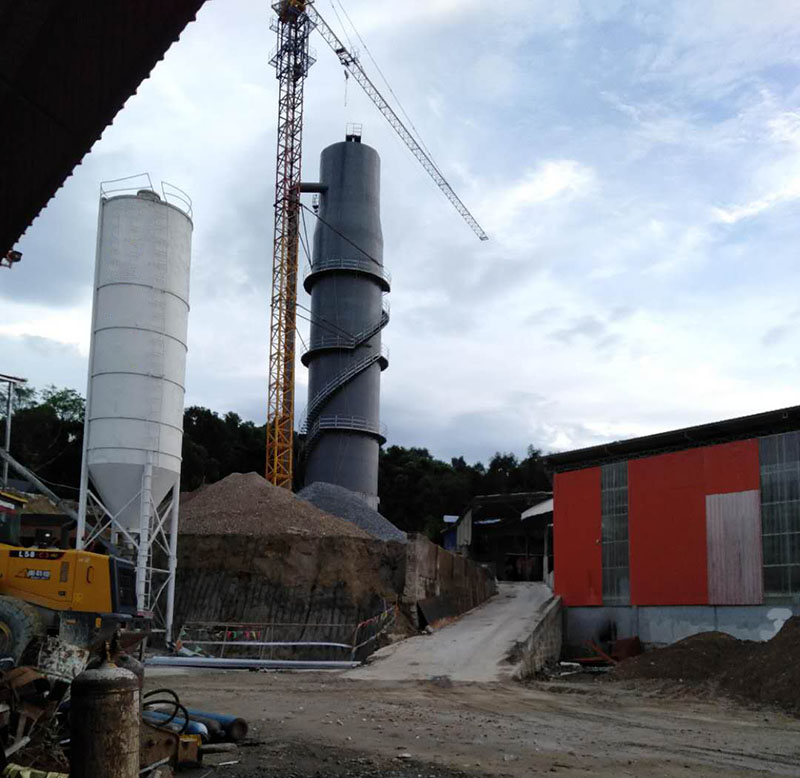
Low carbon transformation has become the primary challenge for the entire industry. The calcination of limestone produces process carbon dioxide, which is difficult to eliminate by replacing fuel. Carbon control measures continue to tighten in various countries, with carbon tariffs and emission limits constantly pushing up compliance costs. CCUS、 Low carbon technologies such as green hydrogen calcination are still in the demonstration stage, with high investment and downstream customers generally unwilling to pay a premium for low-carbon lime, resulting in slow progress in green transformation.
The fluctuation of energy costs continues to squeeze profits. Lime calcination is a high energy consuming process, with fuel costs accounting for nearly half of production costs. Affected by the geopolitical situation, coal and natural gas prices fluctuate. High energy prices in developed regions, insufficient supply of clean energy in emerging markets, and numerous small and medium-sized enterprises are facing a shortage of funds for technological upgrades.
High quality limestone resources are becoming increasingly scarce. The distribution of high-purity limestone is uneven, and mining resources near industrial clusters are gradually depleting. Global ecological control is becoming stricter, mining approval cycles are lengthening, and mining restrictions are increasing. At the same time, long-distance transportation of quicklime incurs high losses and costs, and there are natural bottlenecks in cross regional trade.
Market pattern differentiation and imbalanced competitive environment. Overcapacity in mature regions, normalization of homogeneous and low-priced competition; The demand in emerging markets such as Southeast Asia and Africa is increasing, but there is a shortage of advanced local production capacity. Different regions have inconsistent environmental and quality standards, resulting in unfair competition due to regulatory gaps.
In addition, there is a significant gap in the global kiln technology echelon, with a large number of underdeveloped areas still using inefficient and outdated equipment, and a shortage of professional operation and maintenance personnel. Under multiple pressures, the global lime industry has entered a deep adjustment cycle, balancing development, emissions reduction, and economic benefits, which is a common issue that all practitioners need to solve.