

Why are more and more Burmese and Vietnamese bosses directly purchasing Chinese lime kilns?
In recent years, with the acceleration of infrastructure and industrialization in Southeast Asia, the local lime production capacity gap in Myanmar and Vietnam has continued to widen. More and more local bosses are no longer choosing high priced kilns from Europe and America, but instead directly purchasing Chinese lime kilns. Behind this is the combination of multiple advantages in cost, technology, and service.
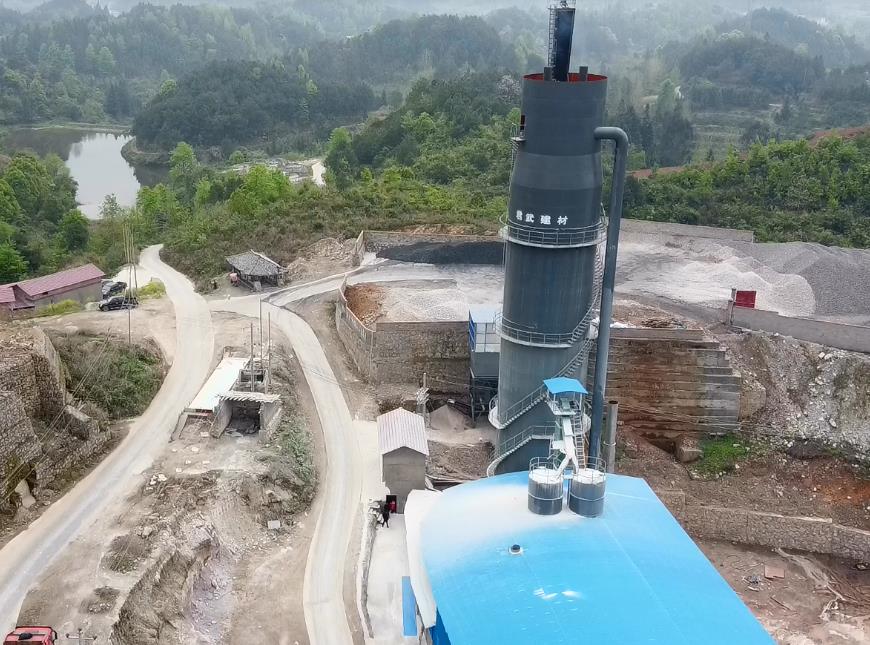
From the perspective of resource endowment, Myanmar and Vietnam have abundant limestone reserves and low mining costs, but they lack a mature large-scale lime kiln manufacturing industry chain locally. The early imported European and American equipment not only had a purchase price more than 30% higher, but also had a subsequent spare parts procurement cycle of two to three months, seriously affecting the stable operation of the production line. After decades of technological iteration, China's lime kiln equipment has fully adapted to complex working conditions such as low calorific value fuels and high humidity raw materials in the local area. The comprehensive energy consumption per ton of lime is 15% lower than that of imported equipment of the same specifications, and fuel costs alone can be saved by hundreds of thousands in a year.
More importantly, China's leading kiln enterprises have completed the EPC+O full cycle service layout, providing full chain support from equipment delivery, on-site installation to operation and maintenance. Relying on the logistics advantages of the China Laos Railway and the southern port, spare parts can be delivered to the site within 7 days. Several gas-fired vertical kiln projects, such as the Jin Yong kiln, have landed in Vietnam. After being put into operation, the lime activity has remained stable and met the standards, fully meeting the needs of the local steel and building materials industries. The cost-effectiveness and delivery efficiency far exceed similar overseas products, making it the first choice for Southeast Asian bosses.


