

The burning reduction index of quicklime and its technological significance
The burning loss of quicklime refers to the percentage of weight lost after fully burning the finished lime at a high temperature of around 1000 ℃. This indicator directly reflects the calcination quality and activity purity of lime, and is one of the key parameters for measuring whether lime is "qualified".
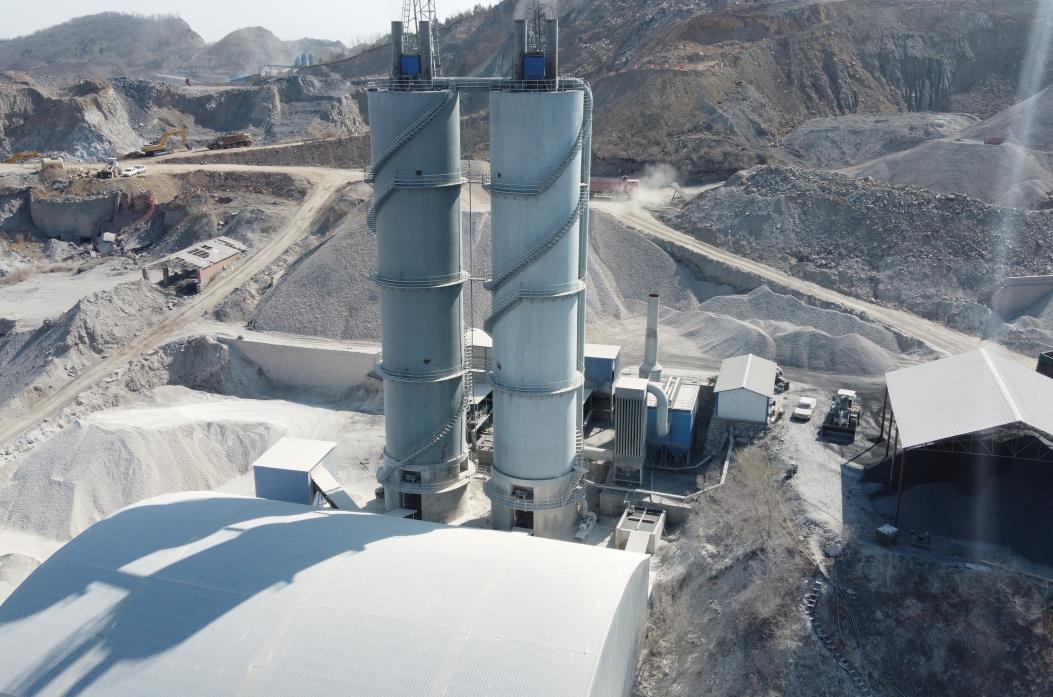
The causes of burning can be attributed to two aspects. One reason is "undercooking": if the calcination temperature of limestone in the kiln is insufficient, the residence time is too short, or the particle size of the stone is too large, the limestone core cannot be completely decomposed, and there is residual calcium carbonate core that has not released CO ₂. These residues will continue to decompose when burned at 1000 ℃, causing weight loss. The second reason is caused by "moisture and weathering": the activated lime after firing has strong hydrophilicity, which easily absorbs moisture from the atmosphere during storage and transportation to form hydrated lime, and reacts with CO ₂ in the air to form calcium carbonate. The secondary generated water and CO ₂ will dissipate again during high-temperature burning, resulting in additional weight loss.
From the perspective of control standards, the burning reduction of high-quality active lime is usually required to be controlled below 3%, and some strict metallurgical or chemical users may even require less than 2%. Excessive burning reduction indicates that the effective CaO content in lime is "diluted" by undecomposed substances or impurities, which not only reduces the utilization rate of effective components, but also introduces unnecessary endothermic reactions or gas emissions in subsequent use (such as steelmaking slag making), increases energy consumption, and affects process stability. Therefore, maintaining stable control of burn reduction within the target range is a core task in the operation and management of sleeve kilns and all lime kilns.


