
High energy consumption? Energy saving lime kiln achieves consumption reduction goals
In the lime industry, energy consumption costs account for 60% -70% of the total production costs, and high coal and electricity consumption are seriously squeezing the profit margins of enterprises. Reducing consumption is no longer a multiple-choice question, but a must answer question that concerns survival.
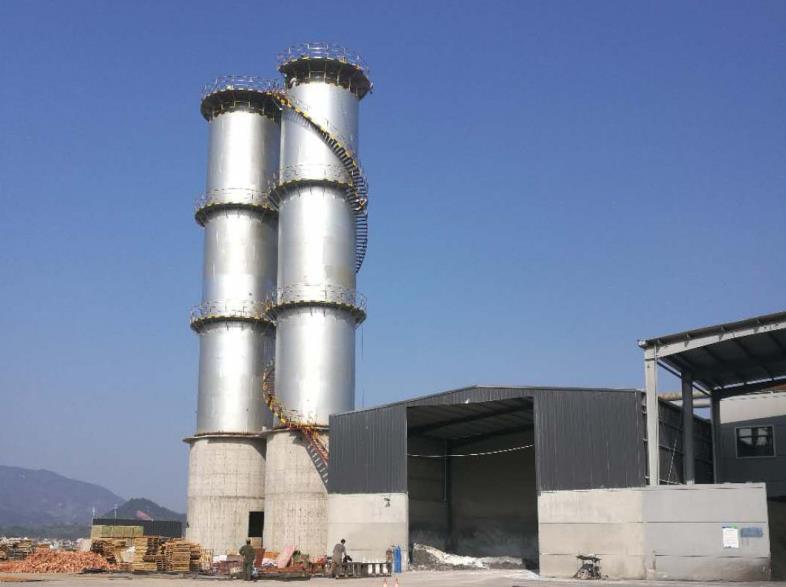
The high energy consumption of traditional lime kilns is rooted in design flaws and extensive combustion control. Airflow segregation leads to ineffective heat dissipation, excessive air coefficient causes fuel waste, and the lack of precise temperature control measures results in the underutilization of the calorific value of each ton of coal.
The new generation energy-saving lime kiln system launched by Jinyong Kiln accurately solves problems from three dimensions. One is to optimize the structural parameters of the kiln body to ensure sufficient reverse contact between the airflow and the material, thereby improving heat exchange efficiency. The second is to introduce intelligent zone combustion control, which automatically adjusts fuel supply according to the temperature requirements of each section in the kiln, eliminating unnecessary consumption. The third is to install a waste heat cascade recovery module, which converts high-temperature waste heat into combustion air for preheating, directly reducing fuel input.
Taking a lime kiln with a daily output of 300 tons as an example, after adopting the Jinyong energy-saving plan, the standard coal consumption per ton of ash can be reduced from 160 kilograms to below 130 kilograms, and the comprehensive electricity consumption can be synchronously reduced. With only fuel, the annual cost savings exceed one million yuan, and the investment payback period is less than one year.
Jinyong Kiln does not make superficial appearances. We provide customized energy-saving renovations based on working condition data for each kiln, and use solid engineering practice to help you truly reduce energy consumption. Reduce consumption, starting from this choice.