

What fuel is used in a mechanical lime kiln
The choice of fuel for mechanical lime kilns is crucial, and anthracite and coking coal are two commonly used high-quality fuels.
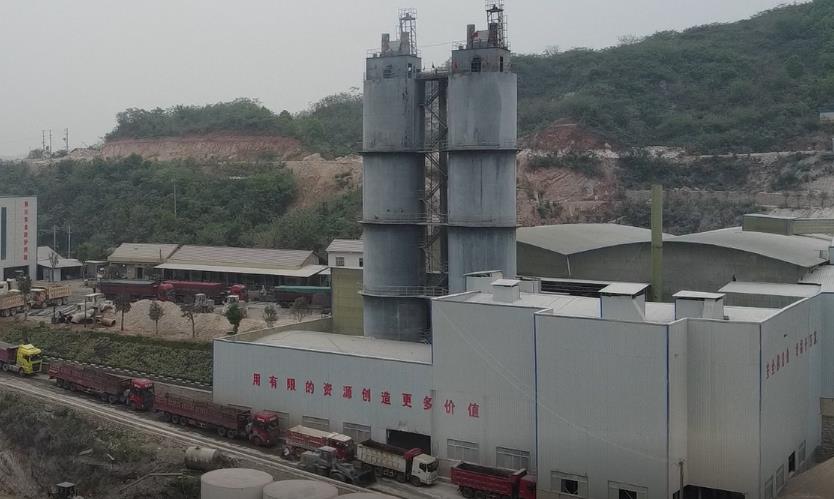
Anthracite is one of the ideal fuels for mechanical lime kilns. It features high fixed carbon content and low volatile matter, producing a short and stable flame during combustion, with less smoke and harmful gases. During the lime calcination process, anthracite can provide continuous and uniform heat, ensuring the full decomposition of limestone and guaranteeing the quality of lime. Furthermore, anthracite produces less ash after combustion, preventing excessive ash buildup in the kiln, thereby reducing the frequency of kiln cleaning and lowering labor intensity and production costs.
Coking coal also plays a significant role in mechanical lime kilns. After high-temperature carbonization, coking coal exhibits a high calorific value and excellent combustion characteristics. It exhibits high reactivity, allowing it to mix thoroughly with air and burn, releasing substantial heat to meet the high-temperature requirements for lime calcination. Furthermore, the uniform size of coking coal ensures a relatively stable distribution within the kiln, facilitating even airflow and enhancing calcination efficiency.
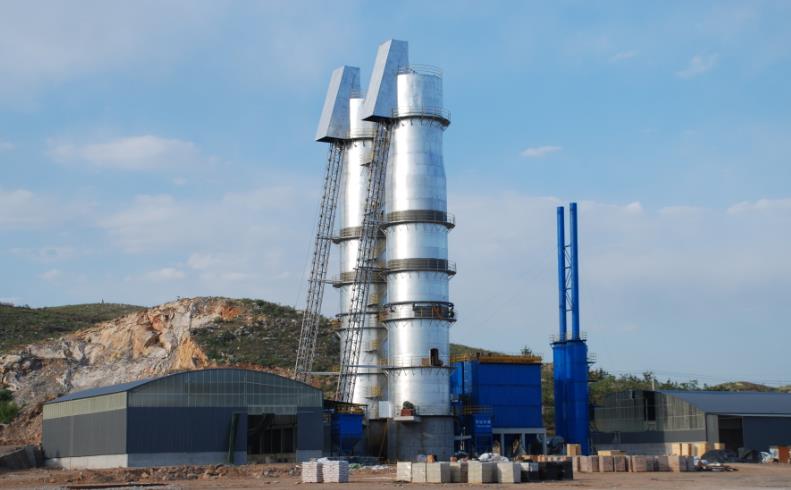
In actual production, based on factors such as the specifications of the lime kiln, the quality of limestone, and production requirements, the reasonable selection of the ratio of anthracite and coking coal can fully leverage the advantages of both fuels, achieving efficient, high-quality, and low-consumption lime production, and providing stable and reliable lime products for related industries.


