

NOx control method for environmentally friendly lime kiln
The pollutants in environmentally friendly lime kilns include nitrogen oxides (NOx). The calcination temperature of limestone is usually between 1050 ℃ and 1200 ℃, and this temperature range and combustion process can easily promote the generation of thermal NOx. In order to achieve stable and low-cost NOx control, it is necessary to adopt a hierarchical optimization strategy, covering pre combustion regulation, process optimization and end of pipe treatment.
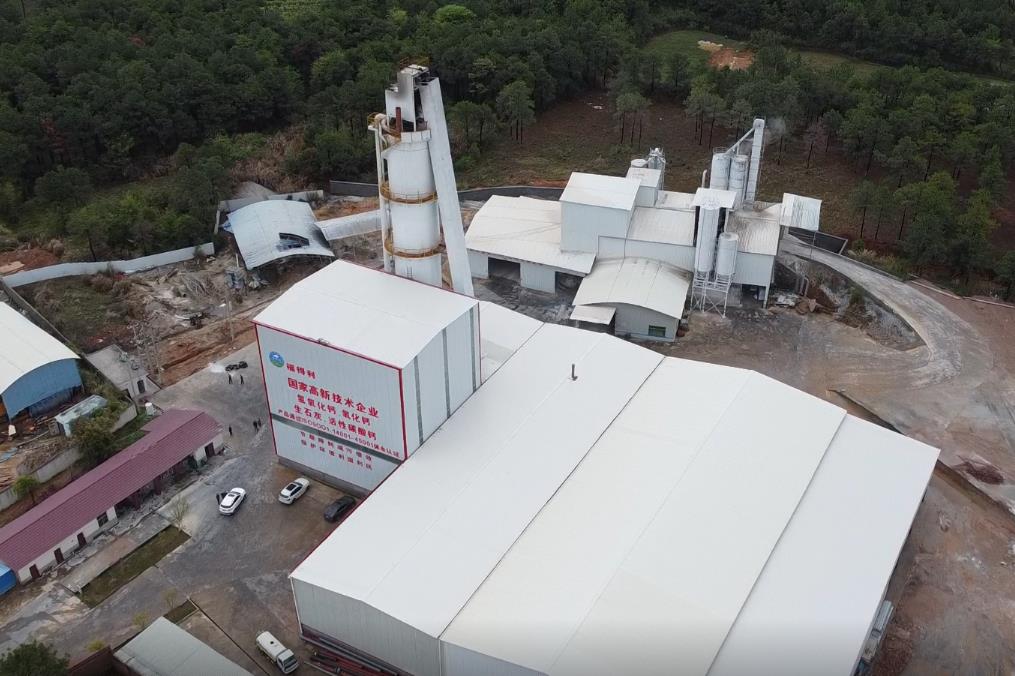
Pre combustion and process control are the core of source reduction. By selecting a low nitrogen burner and precisely controlling the injection angle and swirl intensity of the combustion air, a low-temperature and uniform combustion zone can be established in the kiln, effectively suppressing local high temperatures and reducing the rate of thermal NOx generation. Further combining fuel grading or air grading combustion technology, the combustion process is completed in stages, prolonging the existence time of reducing atmosphere, and partially reducing and decomposing the generated NOx in the kiln. Meanwhile, finely regulating the calcination temperature curve and avoiding unnecessary temperature peaks as much as possible while ensuring the activity of lime is the foundation for achieving economic and efficient emission reduction.
When source control cannot meet increasingly strict emission standards, end of pipe treatment becomes a necessary choice. Selective Non Catalytic Reduction (SNCR) technology is relatively mature in the application of lime kilns. The principle is to precisely inject an amino reducing agent (such as ammonia or urea solution) into the kiln at a suitable temperature window of 850 ℃ to 1050 ℃, so that NOx is reduced to nitrogen gas. The key to this technology lies in achieving sufficient mixing of reducing agents and flue gas through multi-point temperature monitoring and intelligent injection control, and accurately matching temperature window fluctuations to achieve a denitrification efficiency of 60% to 75%, while strictly controlling ammonia escape.
The NOx control of environmentally friendly lime kilns should not rely on a single method. The most economical path is to prioritize optimizing the combustion process, minimizing NOx generation from the source, and then building a collaborative control system that balances environmental performance and operating costs based on emission targets supplemented by end of pipe technologies such as SNCR.


