
How to control the airflow velocity inside the lime kiln
The airflow velocity inside the lime kiln is a key process parameter that directly affects calcination efficiency, product quality, and energy consumption. The ideal airflow should ensure uniform heat transfer while maintaining appropriate material retention time. Its control is a comprehensive technical problem involving fluid mechanics, thermal principles, and automation.
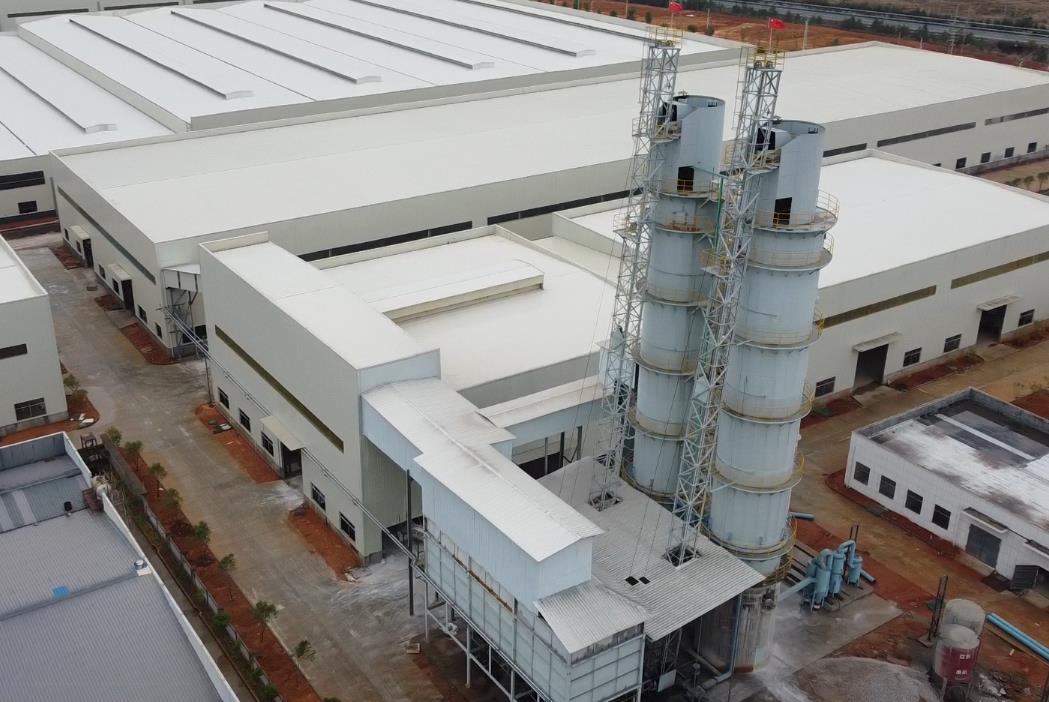
The core of controlling the airflow velocity inside the kiln is to establish and maintain a stable pressure gradient. In the vertical kiln system, this is mainly achieved by adjusting the opening and frequency of the kiln bottom discharge device (such as the star shaped discharge device or gate valve). Accurate unloading control can stabilize the height of the material column, thereby maintaining a relatively constant porosity and ventilation resistance of the materials in the kiln, which is the basis for stabilizing the airflow velocity. At the same time, the top material level of the kiln needs to be maintained stable through the feeding system to avoid significant fluctuations in the material level that could alter the upper pressure boundary conditions. As a power source, the speed or inlet guide vane opening of the fan needs to be interlocked with the kiln pressure signal. Usually, variable frequency fans are used to adjust the air volume in real time based on pressure sensors set in the preheating and calcination zones, creating a stable and controllable micro negative pressure environment inside the kiln. This ensures smooth upward airflow and prevents unnecessary heat and dust from escaping from the kiln roof.
In more modern parallel flow regenerative double chamber kilns, the control of airflow velocity is more precise and dynamic. Its control logic revolves around periodic directional combustion. During each operating cycle, the control system needs to accurately adjust the fuel and combustion air injection momentum of the burner spray gun according to the preset temperature time curve, in order to directly control the penetration and distribution speed of the injection airflow in the kiln chamber. At the moment of reversing, the system needs to quickly balance the pressure of the two kiln chambers to avoid sudden fluctuations in airflow velocity that may cause a surge in dust carrying capacity or temperature field disorder. In addition, the resistance characteristics of each section of the kiln body are pre modeled, and the control system optimizes the distribution ratio of hot air flow by adjusting the bridge passage valves connecting the two kiln chambers, thereby finely controlling the air flow velocity and temperature distribution in each calcination zone.
In addition to actively controlling the equipment, the structural parameters of the kiln itself also have fundamental constraints on the airflow velocity. The width of the kiln diameter, the roughness of the lining, and the particle size distribution of the material all affect the local flow velocity and overall resistance distribution. Therefore, the control of airflow velocity is not an isolated air volume regulation, but a comprehensive and systematic engineering process from kiln design, raw material preparation to automated operation. The ultimate goal is to create an airflow field that highly matches the calcination temperature curve and material decomposition process throughout the entire kiln chamber space.