
Selection Guide for Environmentally Friendly Lime Kiln Conveyor Equipment
The selection of conveying equipment in the production system of environmentally friendly lime kilns directly affects energy consumption, dust emissions, and operational stability. Improper selection not only increases operating costs, but may also become a weakness in the environmental protection chain. A scientific selection strategy requires comprehensive consideration of material characteristics, process layout, and full lifecycle costs.
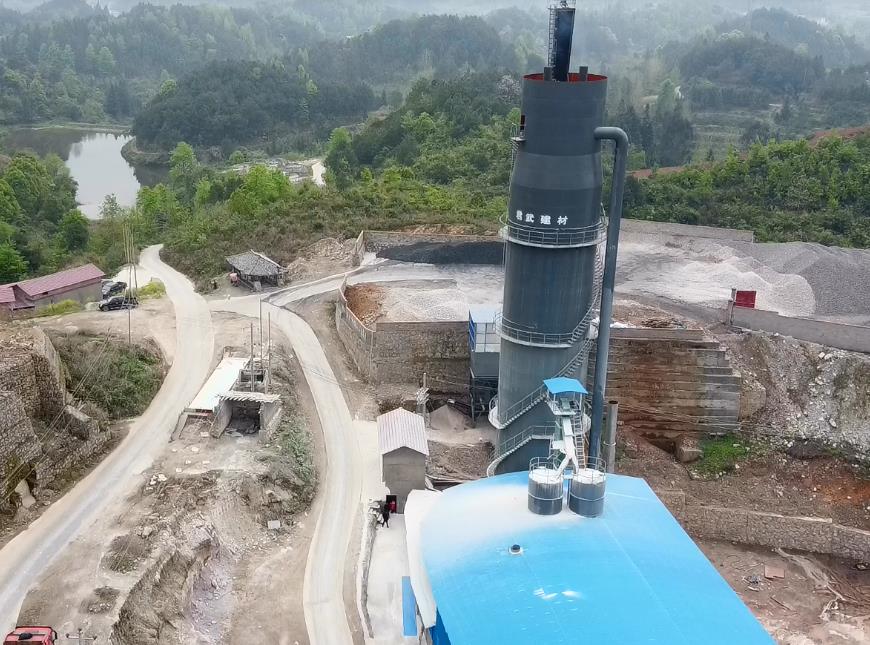
The material characteristics are the primary basis. For preheated block limestone, high-temperature resistant and impact resistant plate chain conveyors are preferred, as their sturdy load-bearing structure can reduce crushing rates. The calcined active lime has a high temperature and is prone to dust. Therefore, a fully enclosed tubular belt conveyor should be selected, which can effectively lock in the dust and withstand a certain high temperature, preventing material cooling and secondary pollution. If it involves powdered auxiliary materials or kiln ash collected by dust collectors, a sealed screw conveyor or pneumatic conveying system is more suitable to completely prevent leakage.
The process layout and environmental requirements are equally crucial. Belt conveyors are suitable for long-distance and large-span transportation, but their transfer points need to be equipped with high-efficiency dust removal covers. When space is limited or multi-directional conveying is required, flexible but high-energy bucket elevators or chain conveyors can be used, and their shells must be sealed tightly. All equipment interfaces should be designed for dust prevention and form a closed loop with the dust removal system of the kiln.
Whole life cycle cost analysis is indispensable. The initial investment needs to take into account the energy efficiency, sealing performance, and maintenance convenience of the equipment itself. For example, a conveyor with higher driving efficiency and long-term sealing components may have a slightly higher purchase price, but the long-term savings in electricity and environmental maintenance costs are considerable. When making decisions, one should avoid relying solely on price, and instead focus on the overall reliability and environmental compliance of the system.