

Simple lime burning method
Lime, an ancient and crucial building material, boasts a core production process known as the lime calcination method, which still retains its practical value after thousands of years. The simple lime calcination method, a crystallization of traditional wisdom, is relatively easy to operate and cost-effective, making it suitable for small-scale production.
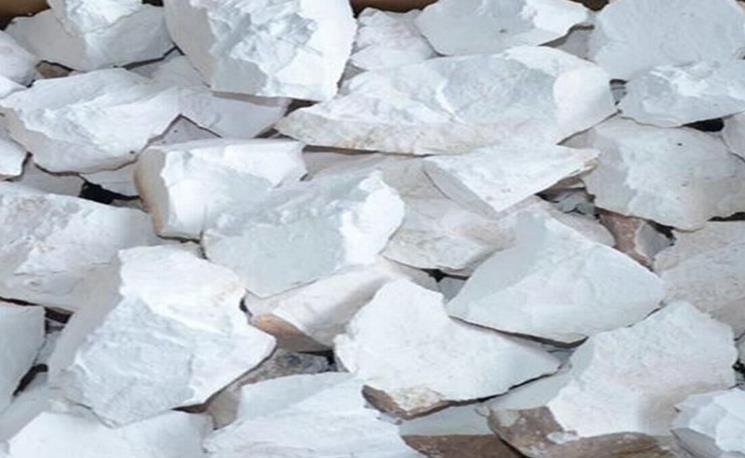
For simple lime calcination, limestone with a high content of calcium carbonate (CaCO₃) is primarily used as the raw material. The limestone is crushed into appropriately sized chunks, which facilitates uniform heat transfer during subsequent calcination and enhances reaction efficiency.
The calcination process takes place in a simple lime kiln. Crushed limestone is loaded into the kiln, and fuel (such as coal, wood, etc.) is ignited to initiate heating. As the temperature rises, the calcium carbonate in the limestone gradually decomposes, undergoing a chemical reaction: CaCO₃ decomposes into calcium oxide (CaO, also known as quicklime) and carbon dioxide (CO₂) at high temperatures. This process requires sustained high temperatures, typically reaching 900 - 1100℃, and maintaining this temperature for several hours to ensure complete decomposition of calcium carbonate.
After calcination is completed, the lime kiln needs to be cooled down before the generated quicklime can be taken out. At this point, the quicklime is in the form of blocks, with a loose texture and strong alkalinity. It can be used in various fields such as building masonry, soil improvement, and wastewater treatment.
Although the simple lime calcination method is not difficult to operate, it is important to pay attention to controlling temperature and time to ensure the quality of calcination. At the same time, the calcination process will generate gases such as carbon dioxide, so environmental protection measures need to be taken. This ancient process still contributes to our lives and construction in a unique way in modern times.


