

Guidelines for Selecting Capacity and Scale of Lime Kilns for Steel Plants
Steel plants are major consumers of lime, and the production capacity of their supporting lime kilns needs to be accurately matched with production demand. According to industry practice, large steel enterprises often consume hundreds of tons of active lime per day, so the design capacity of lime kilns is generally large.
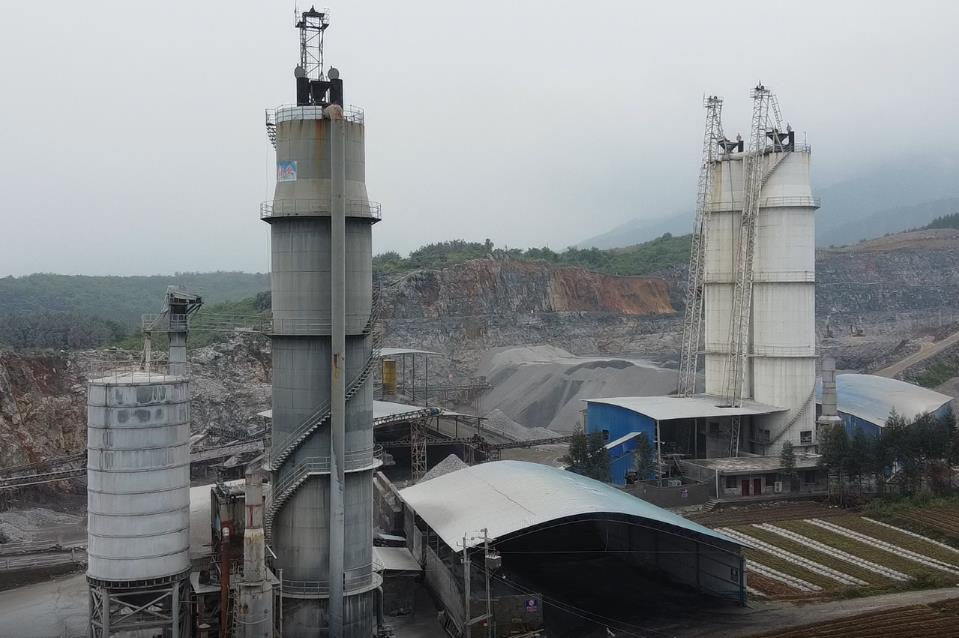
From the perspective of production capacity range, the daily production capacity of mechanized lime vertical kilns is usually between 50-500 tons, with large kiln types of 300-500 tons/day being more favored by steel companies. For example, the TGS series lime kiln of Tangshan Zhugang Furnace Material Co., Ltd. provides nine specifications of 200-1000 tons/day. Shougang Jingtang adopts three kilns with a daily output of 600 tons, with a maximum daily output of over 700 tons, fully meeting the needs of steelmaking, desulfurization and other processes.
Technical adaptability is equally crucial. Although rotary kilns require high investment, they have advantages such as strong adaptability to raw materials and stable product activity, making them suitable for steel enterprises producing high-quality steel. Vertical kilns, relying on low calorific value gas utilization technology, have shown outstanding performance in energy consumption control. For example, when using pure blast furnace gas in TGS kilns, the heat consumption per kilogram of ash is only 890-1000KCal/kg, significantly reducing production costs.
It is recommended that steel companies choose large-scale kilns with a daily output of over 500 tons based on daily consumption, fuel type, and product quality requirements, and prioritize modern kilns with low calorific value gas utilization, intelligent control, and other technologies.


