

How to deal with blockage of dust collector in environmentally friendly lime kiln
The blockage of the dust collector in the environmentally friendly lime kiln will directly affect the dust removal efficiency of the equipment and the stable operation of the system. Blockage is usually caused by factors such as high dust humidity, condensation due to temperature fluctuations, improper selection of filter media, or failure of the dust cleaning system. After the combination of dust and moisture, the viscosity increases and it is easy to form a dense dust layer on the surface of the filter bag, which hinders the passage of air flow. Insufficient cleaning force or improper cycle can prevent the stripped dust from completely falling into the ash hopper, resulting in secondary accumulation at the folds or bottom of the filter bag.
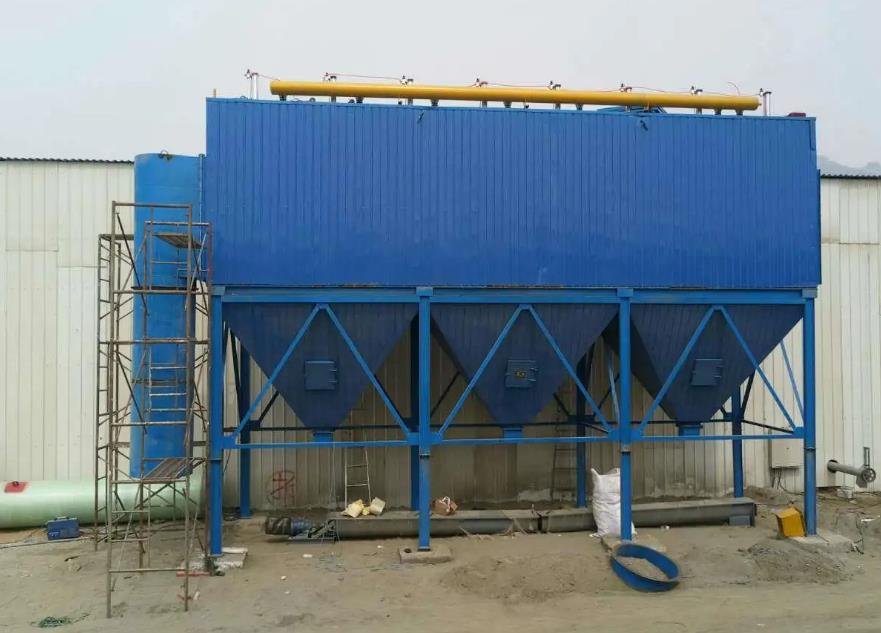
Dealing with blockages requires starting from diagnosing the root cause. Check the dew point temperature of the flue gas entering the dust collector to ensure that the operating temperature remains above the dew point by more than 15 degrees Celsius to prevent condensation. Evaluate whether the current filter material is suitable for the working conditions. For high humidity or viscous dust, consider replacing it with a membrane filter material with a hydrophobic and smooth surface treatment. Adjusting the dust cleaning system is a key step. It is necessary to increase the dust cleaning pressure or shorten the dust cleaning cycle appropriately. When using pulse blowing, it is necessary to ensure that the nozzle is centered and the air volume is sufficient. For the blockage that has occurred, the induced draft should be stopped first, the dust cleaning system should be closed, the dust collector inspection door should be opened, and the filter bag should be manually tapped or cleaned with compressed air from the clean air chamber side. Stubborn compaction requires disassembling the filter bag for professional cleaning or replacement.
Establishing a preventive maintenance system can effectively prevent the recurrence of problems. Regularly record the differential pressure data of the dust collector, and any abnormal increase is an early signal of blockage. Regularly check the working status of the three components of the gas source and the pulse valve to ensure smooth ash discharge from the ash hopper without accumulation. By continuously monitoring and adjusting operating parameters, the dust collector is maintained at optimal operating conditions to ensure the environmental protection and efficiency of lime kiln production.


